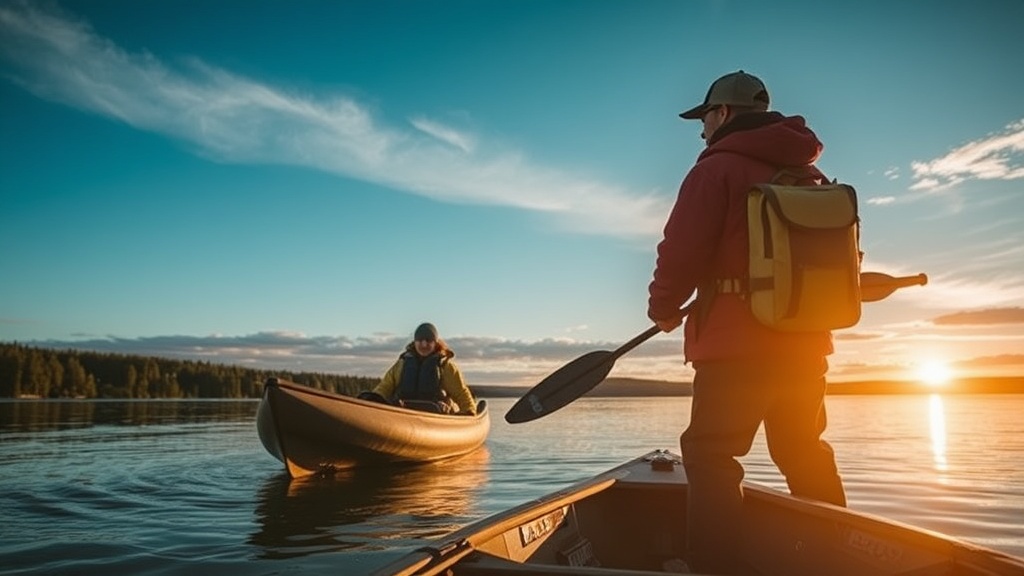
Packing for a Successful Day on Lake Temiskaming

The mist hangs low over the water near the pier as the first light hits the surface of Lake Temiskaming. It’s a quiet, heavy moment before the wind picks up and the waves start hitting the shore. To have a successful day on the water, you need more than just a boat and a sense of adventure—you need the right gear for the unpredictable weather of Northern Ontario. This post breaks down exactly what to pack so you don't end up shivering on a boat or stuck under a tarp during a sudden downpour.
What Should I Pack for a Boat Day on Lake Temiskaming?
You should pack a mix of weather-resistant clothing, safety gear, and high-quality sun protection to handle the rapid shifts in Northern Ontario weather. The lake is notoriously fickle. One minute it’s a calm, sunny afternoon, and the next, a cold front rolls in from the north. If you aren't prepared, a simple afternoon trip can turn into a miserable experience very quickly.
First, focus on layers. I never leave the dock without a lightweight windbreaker or a shell. Even in July, the wind off the water can feel biting. A good piece of gear is the Patagonia Torrentshell jacket—it’s waterproof and breathes well enough that you won't feel like you're sitting in a plastic bag.
Don't forget the footwear. If you're on a boat, you need non-slip shoes. Flip-flops are fine for the beach, but they’re a disaster on a moving deck. I recommend a pair of Sperry boat shoes or even just some old sneakers with decent grip. You don't want to be the person slipping near the engine while the captain is trying to dock.
The Essential Gear Checklist
I’ve put together a list of things that are non-negotiable for a day on the water. If you forget these, you’ll likely regret it by noon.
- Life Jacket (PFD): This is the law. Don't bother leaving the dock without a properly fitted Transport Canada approved life jacket.
- Dry Bag: To keep your phone, wallet, and car keys safe from splashes.
- Polarized Sunglasses: Essential for seeing through the glare on the water.
- Sunscreen: Even when it’s cloudy, the reflection off the lake is intense.
- Waterproof Phone Case: Because dropping a phone in the lake is an expensive mistake.
Actually, if you're planning a longer outing, you might want to check out how to spend a weekend in the area to see how a full day on the water fits into a larger itinerary.
How Much Does Boating Gear Cost in Northern Ontario?
The cost of boating gear varies wildly depending on whether you are buying entry-level items or high-end professional-grade equipment. You can spend $20 on a basic life vest at a local hardware store, or $200 on a high-performance technical vest.
For most locals, we tend to buy gear that lasts. It's better to buy one good piece of equipment than three cheap ones that break after one season. Here is a quick breakdown of what you might spend on a decent setup:
| Item Category | Budget Option (Est. Price) | Premium Option (Est. Price) |
|---|---|---|
| Life Jacket (PFD) | $35 - $50 | $120 - $180 |
| Dry Bag (10L-20L) | $15 - $25 | $50 - $80 |
| Polarized Sunglasses | $20 (Generic) | $150+ (Oakley/Costa) |
| Waterproof Shell | $60 (Walmart/Decathlon) | $250+ (Patagonia/Arc'teryx) |
It's worth noting that the "budget" options are fine for a quick paddle, but if you're out on the big water for hours, the premium gear often pays for itself in comfort and durability.
One thing I've learned: never skimp on the sunglasses. A good pair of Ray-Ban or Costa polarized lenses doesn't just protect your eyes; it actually lets you see the bottom of the lake and any submerged rocks or fish. It’s a total game-changer for safety and enjoyment.
How Do I Prepare for Changing Weather?
Check the local marine weather forecast and always pack for the worst-case scenario, not the best-case scenario. On Lake Temiskaming, the weather can change in the blink of an eye. A clear blue sky at 10:00 AM can turn into a gray, choppy mess by 1:00 PM.
Always keep an eye on the horizon. If you see dark clouds stacking up over the land, it’s time to head back to the dock. Don't wait until the wind is actually hitting you. It's much harder to dock a boat in a 20-knot wind than it is in a light breeze.
Also, keep your electronics protected. I use a YETI cooler for drinks, but I also keep a small, waterproof Pelican case for my camera and electronics. It’s a bit overkill for a half-day trip, but it provides peace of mind.
If you're heading out after a long morning of exploring, you might be hungry. You can find some great fuel for your afternoon by finding the best coffee and local breads in town before you hit the water. A good sandwich makes a huge difference when you're sitting on a boat.
The most important thing to remember is that the lake is the boss. You are just a guest. Respect the water, pack for the wind and the rain, and you'll have a much better time.
Don't forget to check the Environment Canada marine forecast before you head out. It's not just a suggestion—it's the best way to ensure you aren't caught in a storm you can't handle.
If you find yourself needing a break from the water, you can always head back to the shore to enjoy the views. After a long day of navigating the waves, you'll likely want to find the best waterfront spots to watch the sunset. There's nothing quite like seeing the light change over the lake after a successful day of boating.
Steps
- 1
Check the local weather forecast and water conditions
- 2
Pack waterproof dry bags for electronics
- 3
Gather high-SPF sunscreen and polarized sunglasses
- 4
Prepare a cooler with plenty of hydration and snacks