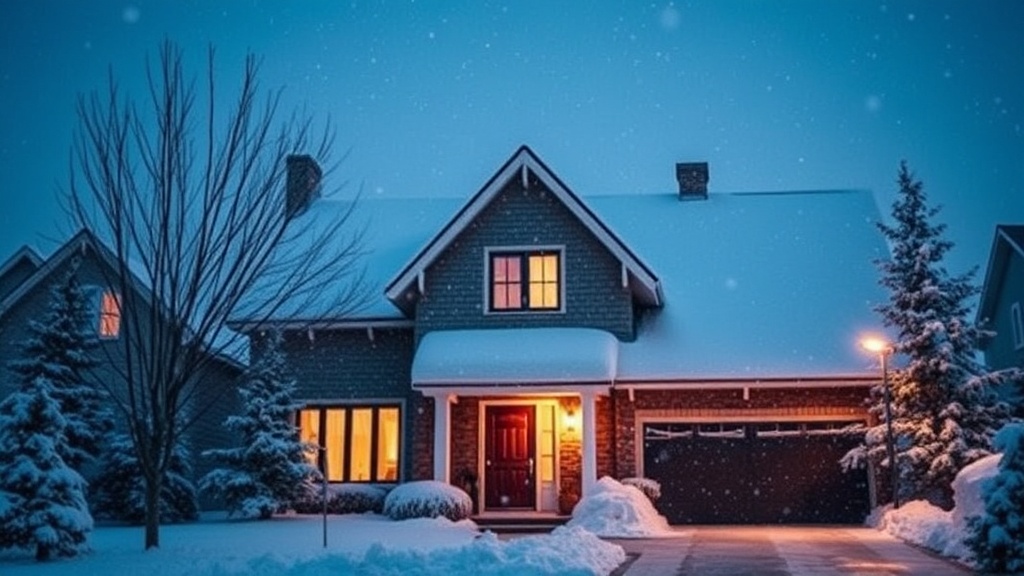
How to Winterize Your Home in Temiskaming Shores Without Breaking the Bank

Most people think winter preparation means rushing to Canadian Tire in October and buying whatever's on sale. That's exactly how you end up with frozen pipes on a -30°C February night and a heating bill that makes you wince. In Temiskaming Shores, our winters aren't just cold—they're relentless, unpredictable, and they'll find every weak spot in your home like water finding cracks in concrete.
We've learned—sometimes the hard way—that getting ready for winter here isn't about following generic checklists from southern Ontario. It's about understanding our specific climate, our local resources, and the quirks of homes built in a region where the first frost can hit in September and the last one might not leave until May. This guide covers what actually works for our community, based on local knowledge and practical experience living through decades of Clay Belt winters.
Where Should I Start With Winter Preparation in Temiskaming Shores?
The foundation of any good winterization plan starts with understanding your home's relationship to our unique geography. Temiskaming Shores sits in the Little Clay Belt, which means we have specific challenges—heavy clay soil that shifts with freeze-thaw cycles, older housing stock in neighbourhoods like New Liskeard's downtown core, and wind patterns that sweep across Lake Temiskaming with nothing to stop them.
Begin with your basement and crawl spaces. Our clay-rich soil holds moisture, and when that freezes, it expands. Check your foundation for cracks now—before the ground freezes solid. The City of Temiskaming Shores offers property assessment services that can help identify structural concerns before they become emergency repairs. It's worth the phone call to their planning department.
Your heating system needs attention too, obviously. But don't just call the first HVAC company you find. In Temiskaming Shores, we've got local expertise that matters—technicians who understand how our extreme temperature swings stress furnaces differently than in milder climates. Companies like Gillard Heating and Cooling have been serving our community for generations, and they know which parts tend to fail when the mercury drops to -35°C.
Windows are another common weak point. Those beautiful original windows in a Heritage North-adjacent home? They're charming in July and expensive in January. You don't necessarily need full replacement—sometimes a combination of interior storm windows, proper caulking, and heavy thermal curtains will do the job for a fraction of the cost. The Temiskaming Shores Public Library actually hosts free winterization workshops every October where local contractors share DIY tips specific to our housing stock.
What Are the Most Cost-Effective Upgrades for Temiskaming Shores Homes?
Let's talk money—because most of us don't have thousands sitting around for renovations. The good news is that the biggest returns often come from the smallest investments, especially in our climate.
Weatherstripping is your best friend. A $50 trip to Home Hardware in New Liskeard can reduce your heating costs by 10-15% if you do it right. Focus on doors first—especially the one you use most often. In Temiskaming Shores, we tend to use side or back entrances more than front doors (it's a northern Ontario thing), so make sure those are sealed tight. Check the sweep at the bottom—if you can see light coming through, cold air is getting in.
Pipe insulation isn't glamorous, but it's critical here. Our frost line runs deep, and an uninsulated pipe in an exterior wall or unheated crawl space is a burst pipe waiting to happen. The hardware stores in Haileybury and New Liskeard stock foam insulation sleeves that cost pennies per foot. Pay special attention to pipes running through the garage or along north-facing walls—they get hit hardest when those lake-effect winds blow.
Attic insulation is where you'll see the biggest impact on your heating bills. Many homes in Temiskaming Shores—especially older ones in the Dymond area—have inadequate attic insulation by modern standards. You want at least R-50 in our climate (that's about 15 inches of blown-in insulation). The upfront cost stings, but Ontario's Green Energy programs often provide rebates for energy efficiency upgrades. Check what's available before you start—it might cover 30-50% of the cost.
Don't overlook the simple stuff either. Programming your thermostat to drop a few degrees at night and when you're at work can save $200+ over a winter. LED bulbs generate less heat than incandescents—switch them out before you need that extra warmth. And ceiling fans aren't just for summer—running them clockwise on low pushes warm air down from the ceiling where it collects.
How Do I Handle Emergency Winter Situations in Temiskaming Shores?
Despite your best preparation, emergencies happen. Power outages during ice storms. Furnace failures during cold snaps. Frozen pipes that burst at 2 AM. Knowing how to respond—and who to call—can mean the difference between a minor inconvenience and major damage.
First, know your local emergency resources. The City of Temiskaming Shores maintains a 24-hour emergency line for municipal issues like frozen water lines or downed trees on city property. Save that number in your phone now, not when you need it. For medical emergencies, remember that Temiskaming Hospital in New Liskeard has a 24-hour emergency department—but severe cases may need transport to North Bay or Timmins. Keep a stocked emergency kit with three days of supplies, including medications, because our rural location means help sometimes takes longer to arrive.
If your power goes out, resist the urge to panic. Most outages in our area are resolved within a few hours. Keep your fridge and freezer closed—food will stay cold for about 4 hours in a fridge, 24-48 hours in a full freezer. Use your fireplace or wood stove if you have one (and you should, in this climate), but never use outdoor heating equipment like propane heaters or BBQs indoors. Carbon monoxide is a real risk—install detectors on every floor and test them monthly.
Frozen pipes need careful handling. If you turn on a faucet and nothing comes out, don't force it. Open the cabinet doors under sinks to let warm air circulate. Use a hair dryer or space heater to gently warm the pipe—never an open flame. If you're not confident, call a local plumber. Temiskaming Shores has several—J.B. Modular and Plumbing has served our community since the 1970s, and they understand our infrastructure quirks. Prevention is always cheaper than repair, so let faucets drip during extreme cold snaps, especially if your pipes run through unheated spaces.
Your vehicle needs winter prep too, obviously. But beyond the standard snow tires and emergency kit, think about our specific geography. Cell service can be spotty on Highway 11 north of town and on back roads around Hudson. Tell someone your route and expected arrival time. Keep a candle and matches in your car—they can provide surprising warmth if you're stranded. And never assume that because the main roads are clear, the side streets in neighbourhoods like Cobalt or South Lorrain Valley are—our microclimates mean conditions can vary dramatically within a few kilometres.
What About Winterizing Rental Properties and Seasonal Homes?
Not everyone in Temiskaming Shores lives here year-round. We have seasonal residents, cottagers on Lake Temiskaming, and rental properties that might sit empty between tenants. These situations need different approaches.
If you're shutting down a property for winter, the process is more involved than just turning off the heat. You need to winterize the plumbing system—draining pipes, adding antifreeze to traps, and shutting off the water supply at the main. Many local plumbers offer this service, and it's worth every penny for peace of mind. A burst pipe can cause tens of thousands in damage, especially if it goes undetected for weeks.
For rental properties, communication with tenants is crucial. Make sure they understand their responsibilities—keeping heat at a minimum level, reporting maintenance issues promptly, not blocking vents. Consider providing window insulation kits as part of the lease; they're cheap, and they protect your investment while keeping tenants comfortable. The Temiskaming Shores Landlord Association (if you're not a member, look them up) has templates for winter maintenance agreements and can connect you with local contractors who specialize in rental property prep.
Seasonal cottages on Lake Temiskaming have their own challenges. Water access cottages need their docks and boathouses secured against ice. Shoreline ice can shift and move in ways that damage permanent structures—many cottagers use bubbler systems to keep ice away from their docks, but these need proper installation and monitoring. The Lake Temiskaming Association offers resources on shoreline protection and ice management—worth reviewing if you own waterfront property.
Finally, don't forget about the outside of your property. Snow load on roofs is a real concern in our area—we get heavy, wet snow that can stress older structures. If you're away for extended periods, arrange for snow removal. A collapsed roof isn't something you want to discover in April. Local companies like Dymond Area Snow Removal offer seasonal contracts that include roof clearing, and they'll check on your property while you're away.
Building a Winter-Ready Community in Temiskaming Shores
Winter preparation isn't just an individual responsibility—it's a community effort. When we look out for each other, check on elderly neighbours, share resources, and support local businesses that help us stay warm and safe, we build the resilience that defines life in northern Ontario.
Our local hardware stores, contractors, and municipal services are staffed by people who live here too. They understand our challenges because they face them alongside us. That expertise—built over generations of surviving Clay Belt winters—is one of our community's most valuable resources. Use it. Ask questions. Attend workshops. Share what you learn with neighbours who might be new to our area or struggling with their first winter here.
The work you put in during October and November pays dividends all winter long. Lower heating bills. Fewer emergency repairs. The peace of mind that comes from knowing you're ready when that first blizzard blows down from the northwest and blankets Temiskaming Shores in white. Winter here isn't something to survive—it's something to be prepared for, something we've been handling for over a century. We've got the knowledge, the resources, and the community spirit to get through whatever the season throws at us.