How to Get Your Garden Started at the Temiskaming Shores Community Garden

Did you know Temiskaming Shores has one of the shortest growing seasons in Ontario?
Our community sits at roughly 47 degrees north latitude—which means we're working with approximately 120 frost-free days each year. That's about 60 fewer days than Toronto gardeners enjoy. Yet despite this challenge, the Temiskaming Shores Community Garden on Farr Street produces hundreds of pounds of vegetables annually. The secret isn't luck—it's knowing how to work with our unique northern climate rather than against it.
This guide walks you through securing a plot, planning your crops, and making the most of every sunny day from spring planting through fall harvest. Whether you're new to growing food or you've just moved to Temiskaming Shores and want to understand how gardening here differs from southern Ontario, here's what works in our community.
How do I reserve a plot at the Temiskaming Shores community garden?
The City of Temiskaming Shores manages garden plot assignments through their parks and recreation department. Applications typically open in early March each year, and demand has grown steadily—last season saw every plot claimed by mid-April.
Here's how the process works. Visit the municipal office at 325 Farr Street in New Liskeard or call (705) 647-2727 to request an application. You'll need to provide proof of Temiskaming Shores residency (a utility bill or driver's license showing a local address). Plot fees are modest—usually around $25 for the season—and the city offers subsidized plots for seniors and low-income residents.
Plot sizes vary. The standard allotment measures 20 by 20 feet, which sounds modest until you're knee-deep in weeding mid-July. The garden provides water access through several spigots positioned throughout the grounds, plus a communal shed stocked with basic tools. You bring your own seeds, compost, and determination.
One practical note: the waiting list moves faster than you'd expect. People occasionally realize they've overcommitted and relinquish plots in late spring. If you missed this year's deadline, call the recreation coordinator anyway—cancellations happen, and they'll keep your name on file for next season.
What crops grow best in Temiskaming Shores' short growing season?
Our northern location demands strategic crop selection. Forget about those gorgeous heirloom tomatoes that need 90 days to mature—unless you're starting them indoors in March under grow lights.
Instead, focus on vegetables that mature quickly and tolerate cooler temperatures. Leafy greens (lettuce, spinach, kale) thrive here—we can plant them in mid-May and harvest by late June. Root vegetables like carrots, beets, and radishes handle our clay-heavy soil well, especially if you amend with compost from the city's composting program.
Beans and peas love our long daylight hours during June and July. Bush beans mature in 50-60 days—perfect for our window. Peas can go in as soon as soil can be worked, often by late April, since they tolerate light frost.
For tomatoes and peppers, choose short-season varieties explicitly bred for northern climates. 'Sub Arctic Plenty' tomatoes mature in 45 days. 'Northern Bell' peppers need just 60. Start these indoors 6-8 weeks before your planned transplant date—typically the Victoria Day weekend in Temiskaming Shores, though many experienced gardeners wait until the first week of June to be safe.
The community garden veterans have another trick: succession planting. Rather than planting all your lettuce at once, sow a small row every two weeks. This spreads out your harvest and prevents that overwhelming glut of greens that nobody can eat fast enough.
Working with Temiskaming Shores soil and climate realities
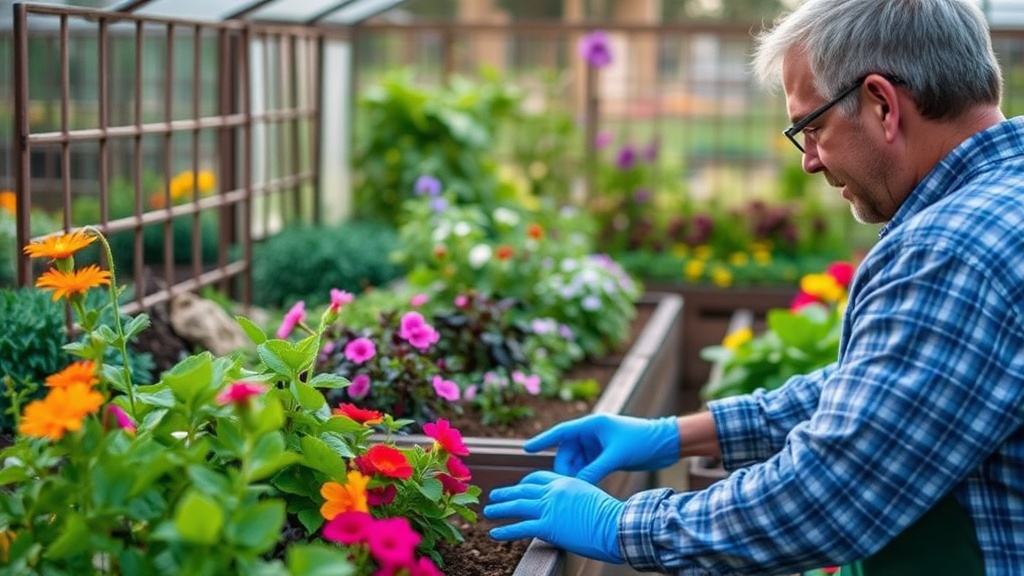
Our soil along the Lake Temiskaming clay belt is rich in minerals but heavy and slow to warm in spring. Experienced gardeners here build raised beds—which warm faster and drain better. The city allows modifications to your plot as long as they're removable at season's end.
Frost presents our biggest challenge. Even after the "official" last frost date, temperature swings can surprise you. Keep old bedsheets or floating row cover handy for those sudden late-May or early-September cold snaps. The lake moderates our temperatures somewhat—Haileybury and New Liskeard often stay slightly warmer than surrounding rural areas—but don't count on it when a clear, calm night threatens your tomatoes.
How can I connect with other gardeners in Temiskaming Shores?
The community garden isn't just about growing food—it's become a genuine social hub for residents who care about local food security and sustainable living. Thursday evenings throughout the summer, you'll find informal gatherings where gardeners compare notes, swap seeds, and occasionally share surplus zucchini (there's always surplus zucchini).
The City of Temiskaming Shores occasionally hosts workshops through the garden—composting basics, seed saving, and pest management specific to our region. These are announced through the municipal website and posted on the bulletin board near the garden entrance.
For ongoing advice, the Temiskaming Shores Horticultural Society meets monthly and welcomes gardeners of all experience levels. They're a valuable resource for understanding which varieties perform consistently in our specific microclimate—information you won't find in generic gardening books written for Zone 6 when we're solidly Zone 3b.
Local knowledge matters enormously here. Longtime Temiskaming Shores gardeners know which varieties withstand our occasional summer hailstorms, which greens resist the flea beetles that arrive every June, and exactly when to cover crops against that sneaky frost that hits the valley hard during clear September nights.
What about community garden etiquette and responsibilities?
Shared space requires shared respect. The city asks gardeners to maintain their plots throughout the season—abandoned or weedy plots may be reassigned. Water usage is communal, so be mindful during dry spells. The garden operates on an honor system: return borrowed tools, close gates behind you, and keep pathways clear.
Many gardeners here participate in informal sharing. If you grow too much lettuce and your neighbor has excess cucumbers, swaps happen naturally. Some donate surplus to the Temiskaming United Food Bank—a meaningful way your garden efforts can support broader community needs.
By season's end, clear your plot of dead plants and debris. The city tills the garden in fall, preparing it for winter and next spring's gardeners. Take notes on what worked—our growing season is brief enough that forgetting varieties by the following March is easy.
Growing food in Temiskaming Shores demands patience and adaptability, but the rewards are genuine. There's something particularly satisfying about harvesting vegetables you've coaxed from this challenging northern soil—knowing that short growing season concentrated flavors into every tomato, every carrot, every bean. The community garden on Farr Street stands as proof that we don't need Toronto's lengthy season to eat well from our own backyards—or rather, from our shared backyard in the heart of our community.